Seoul, South Korea
Population: 9.4 million (26 million for Greater Seoul area including Incheon and Gyeonggi Province)
Area: 605.2 square kilometres
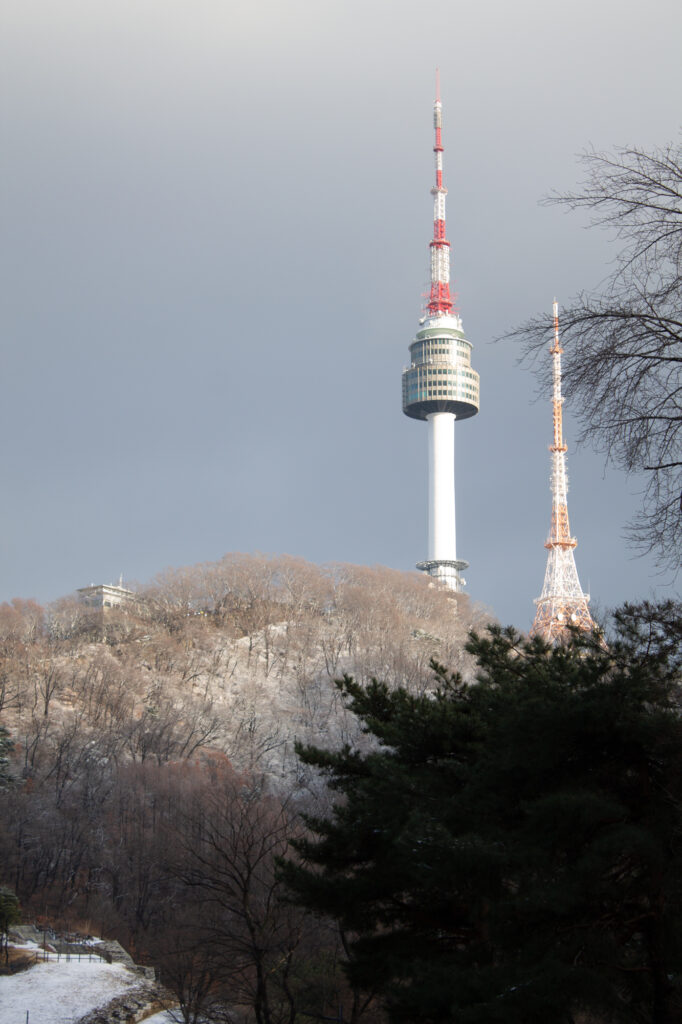
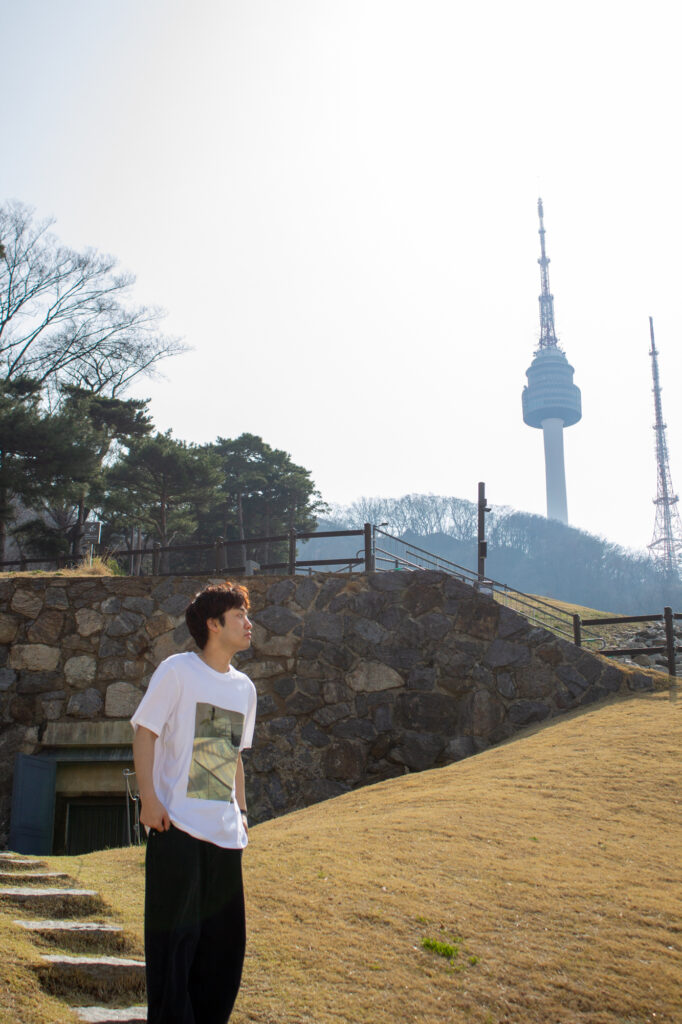
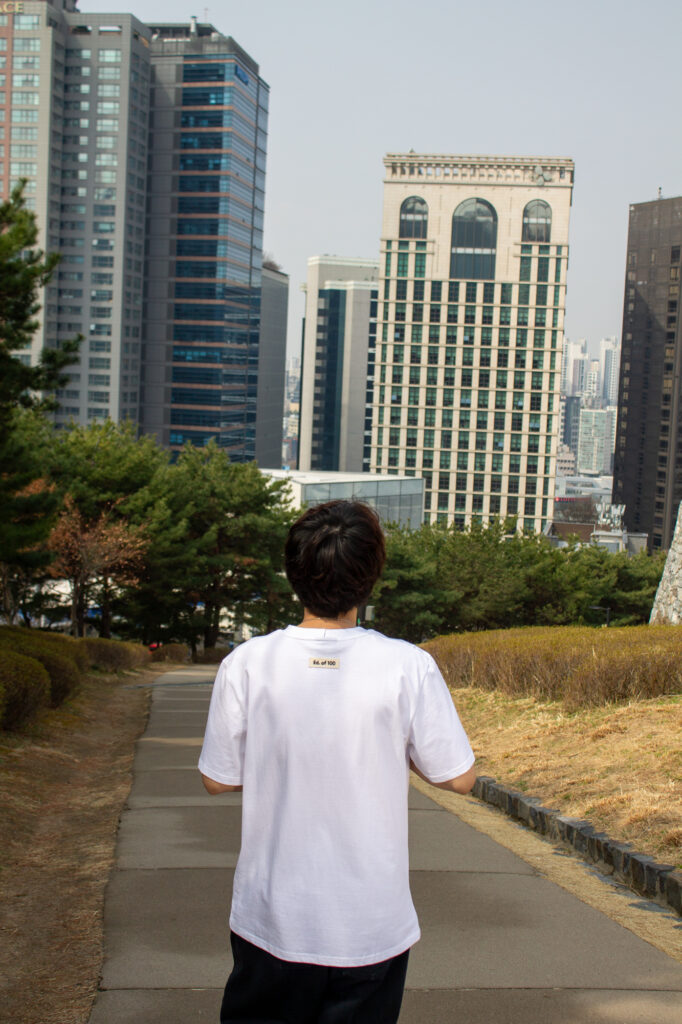
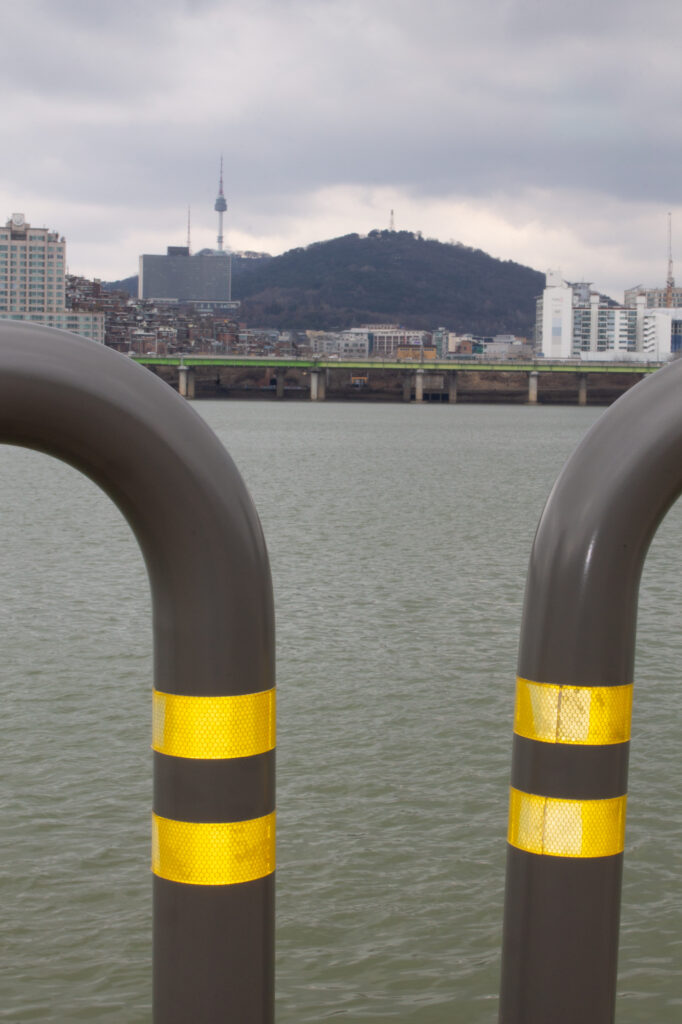
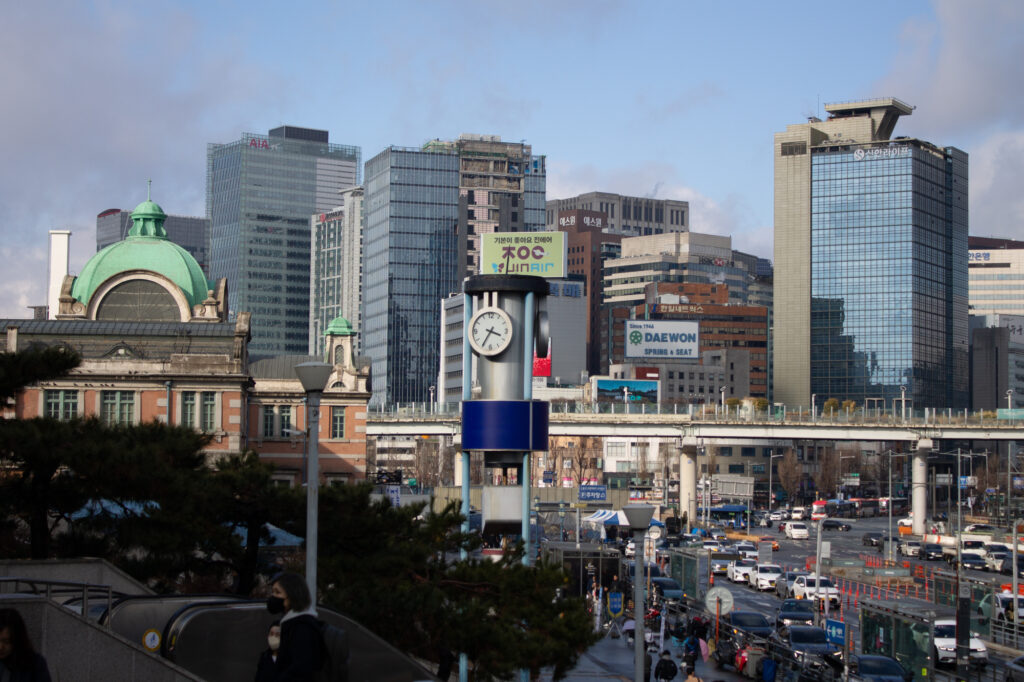
Seoul, South Korea’s capital and a global powerhouse at the forefront of numerous industries including entertainment and technology, this city vibrates with culture, wealth and innovation—it’s an entire ecosystem unto itself. I was born and raised surrounded by this dynamism, and no matter where I may be in the world, it will always be the place I call home. After all, so much of who I am right now is a reflection of the city itself. Many things that I identify with, both aesthetically and fundamentally, can be found in Seoul: an extensive food culture, a booming art scene and a deep appreciation of fashion.
Seoul has four seasons, each lending the city a vastly different experience. Summer is sweltering hot and sticky with humidity, and winter is harsh in temperature but sunlit and beautiful (take note, Vancouver).
TB Favourites
Food
Eulmildae 을밀대
Address: 24 Sungmun-gil, Mapo-gu / 마포구 숭문길 24
Ever heard of Pyongyang Naengmyeon 평양냉면? No? Let’s see if I can help you out:
For starters, you’ve probably heard of North Korea—Pyongyang is their capital. Naengmyeon, it quite literally means “cold (naneg) noodles (myeon)” in Korean. As a dish that now straddles two divided regimes, Pyongyang Naengmyeon is comparable to cilantro in its extreme divisiveness: people either love it or hate it.
Every time I’m home, I visit a few choice spots that I’ve selected from years of research. Through careful vetting, I’ve decided on Eulmildae 을밀대 as the ultimate Pyongyang Naengmyeon place. This is an establishment that honours the textbook cooling beef broth that Pyongyang Naengmyeon 평양냉면 is known for. It’s a clean taste that is almost too subtle to appreciate for some. In addition, Eulmildae 을밀대’s casually welcoming, unpretentious atmosphere elevates itself from a hole-in-the-wall establishment to a comforting go-to spot that promises both full stomachs and full hearts. For a bona fide Nopo (long-standing, multi-generation-run establishment that serves artisanal recipes in humble settings) experience, I cannot recommend this place enough. On a side note, Eulmildae 을밀대’s parchment wallpaper dotted with black blemishes beckons to mind the works of Agnes Martin, a painter known for her muted canvases and geometric elements.
Art
Frieze Seoul redefined the art scene in South Korea. Frieze made gallery viewings and art fairs a highly exciting “it” activity that has encouraged a greater interest in the visual arts among the public. From networking to sponsorships, Koreans have been extremely responsive to the arts whether they be first-timers or existing patrons. The famous slogan “Dynamic Korea” includes this fast-growing appreciation for the arts, with international commercial galleries setting up various locations in response to the rapid demand and interests.
I’ve come to dissect the art scene into three main categories whilst travelling: museums, galleries, and alternative spaces. Of course, within these categories overlaps do exist. Here is my shortlist for each category.
Museums
MMCA (National Museum of Modern and Contemporary Art)
Two of four branches are in Seoul: MMCA Seoul and MMCA Deoksugung. MMCA Seoul focuses on contemporary art and MMCA Deoksugung on modern art.
SeMA (Seoul Museum of Art)
Last year, Edward Hopper exhibition jointly curated by SeMA and the Whitney Museum of American Art, was so successful that it nearly matched the buzz generated around their 2019 David Hockney exhibition.
Leeum (Samsung Foundation)
Where else will you find Mario Botta, Jean Nouvel and Rem Koolhaas collected together to give you a taste of their individual, disparate architectural practice?
Art Sonje Center (Daewoo Foundation)
Daewoo used to be Samsung’s main conglomerate rival in the 90s before Daewoo’s businesses were forced into financial workout in 1999. Before the new millennium, Hyundai reigned supreme.
APMA (Amorepacific)
Fairly certain this museum is for-profit as the cosmetic giant does not list the museum under its foundation’s program. Their Barbara Kruger solo in 2019 was pretty impressive. It is of note that the artist’s anti-consumerism propaganda was displayed at the HQ of the city’s leading consumer goods company.
SongEun Art and Cultural Foundation
Herzog & de Meuron’s first realized project in Korea. ST International, which owns the foundation, started as a coal mining company in 1962.
Galleries
Kukje Gallery,
That mainstay gallery everyone can’t seem to miss
Gallery Hyundai,
It is not affiliated with the automotive Hyundai we all know. “Hyundai” means modern or contemporary in Korean.
PKM Gallery, Hakgojae Gallery, Leeahn Gallery, Peres Projects, Barakat Contemporary located near Gyeongbokgung and the Blue House
PACE, Lehmann Maupin, Esther Schipper, P21, Whistle, FOUNDRY SEOUL located near Itaewon, a district known for foreign influence, fashion, and clubs
Perrotin, White Cube, Gladstone, Duarte Sequeira, One and J. Gallery located near Dosan Park and Cheongdam
Thaddaeuus Ropac, VSF, Gallery Baton located near UN Village (quite close to Itaewon)
alternative spaces
Primary Practice, Amado Art Space, Project Space Sarubia
Fashion
“Everyone dresses up” is an all-too-familiar consensus regarding Seoul. And yes, it rings true. Koreans, especially Seoulites, have a tendency to be very preoccupied about how they are perceived. Looks and first impressions are an important element woven into the fabric of a Korean society. Of course, this leads to its fair share of controversies and challenges as a society but nevertheless, yes, we look incredible. This focus on appearance has bred an intricate network of industries that are committed to making the consumers look, and feel, glamourous. Any cosmetic surgery you name (including some beyond the scope of imagination, like calf extensions) we have. Research is necessary as well, as these clinics vie for customers in the same area (notably Gangnam) and clinics vary in quality. Korea was one of the first, if not the original, country to obsess with skincare. The importance of performance and beauty is well-found in the K-Pop industry, including global names such as BLACKPINK, BTS and NewJeans. There is a lot of collaboration within these Korean industries that all push the importance of looking good. There is much more that can be said of this topic, and with that:
Stay tuned for more.